Coltrane Curtis Looks Back on 'Innocent' 2000s MTV Red Carpets and Why the ‘Era of Reality TV’ Killed That Culture (Exclusive)
Coltrane Curtis got a front-row seat to the evolving culture at MTV from the early to mid 2000s.
Curtis joined the network as MTV's Style VJ after working with fashion designer Marc Ecko and on the editorial team at Complex. It was a new world for him, but one he quickly immersed himself in.
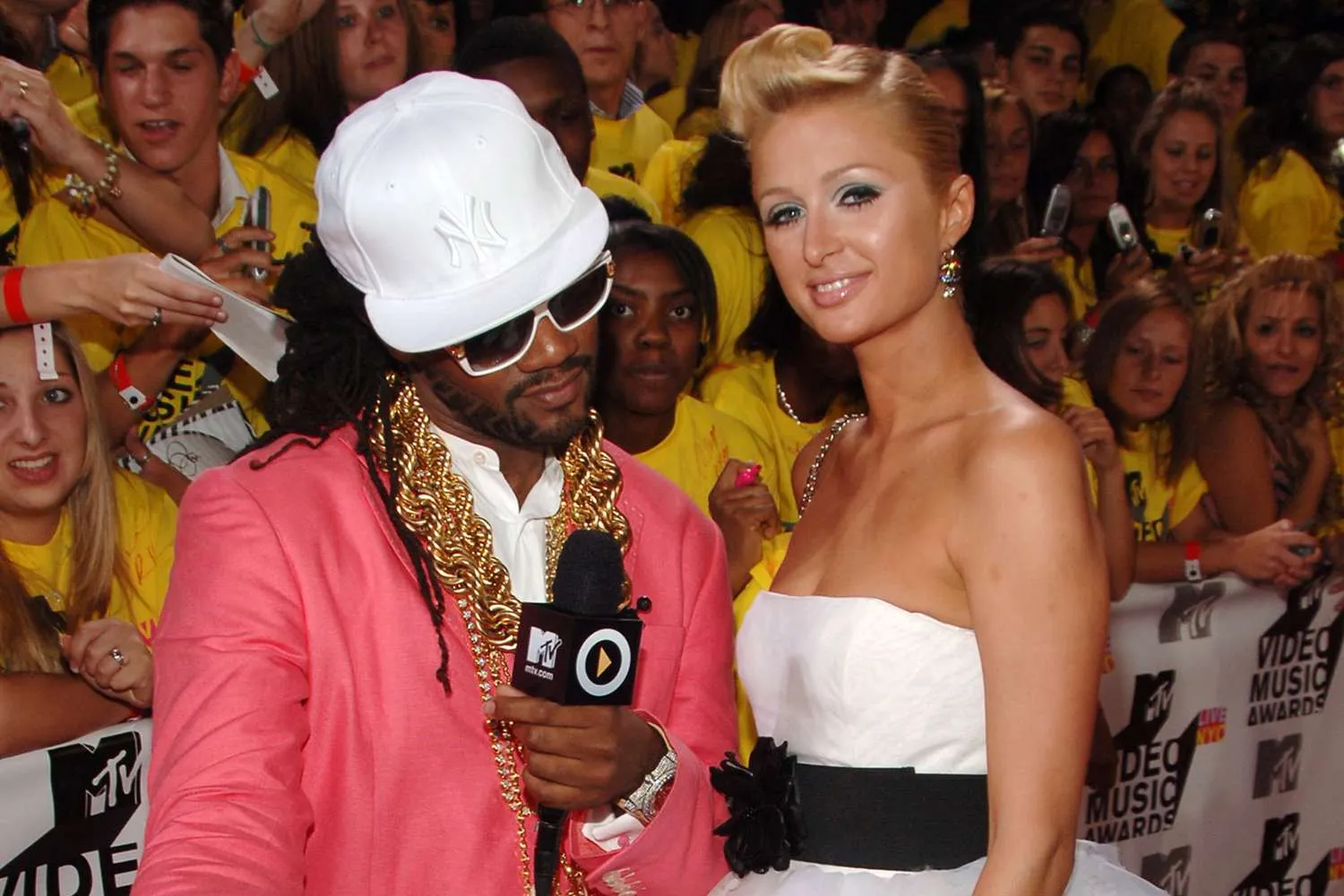
"It got to the point where I was doing 90 minutes live, no commercials, interviewing celebrities as they come down the red carpet about what they had on, where they got it from and everything. And it was really cool because I had spent my whole career talking and dealing with celebrities. So I probably knew 60, 70% of them anyway, intimately," Curtis tells PEOPLE.
"And then I became this kind of talking head figure about style and fashion from the red carpets for the movie awards, the VMAs, the TRL awards. And it was like the heyday of MTV at 1515 Broadway. Right. And that was kind of like my entrée into that world."
Never miss a story — sign up for PEOPLE's free daily newsletter to stay up-to-date on the best of what PEOPLE has to offer, from celebrity news to compelling human interest stories.
Curtis' entrance into that sphere of celebrity came at a time he describes as "raw" and "innocent."
"It was honest. It was trial by error. Some people had stunts that they had planned where they wanted to bring pet monkeys. And some people, this was the rapper age when every rapper had 45 different big security guards with them, walking them down the carpet," he recalls.
"Then you had the others who were just super confident in themselves and that were actually stylish. I saw the full gamut," he continues. "You saw up-and-coming rappers, which were crazy because that was like the 50 and Nigo era, Pharrell, right? You had them beside huge celebrities like Jessica Alba, all sharing the same carpet. You started seeing the polishedness of big celebrity and you also saw and had to engage with the unpolished hip-hop s--t that was coming down the carpet."
Curtis says he was "the perfect person" for the task, "because I'm never enamored nor impressed by celebrity by itself."
"What I quickly really started realizing was, I'm here to talk about style and fashion, but the majority of the people there knew nothing about what they had on, where it came from. So it became kind of sometimes difficult to have conversations with them," he admits.
"So early on, I realized, in situations where you don't want to make anybody feel uncomfortable on-camera, but you had to have something to talk about, if they didn't talk about their clothing and their garment, which I was pretty much an expert on, the next thing for them to comment on was me. What I wore and my looks became the content for those who didn't have what I had, which was the backstory on where the clothes came from."
Curtis found that the role challenged him to be ready for anyone who strolled down the carpet.
"There was a sense of likability and relatability as humans on the carpet. And I think I stopped doing it when I realized that, two and a half, three years later, it became scripted."
Curtis remembers feeling the shift to a more "theatrical" red carpet environment.
"Through that theater, I was realizing that these people were trained and had lines to hit and again, knew nothing about what they had on. And so, what I started understanding was the fact that I wanted to talk about or talk to the people who were building these celebrities. For me, that was the era when the kid who couldn't read a teleprompter was reading it like a typewriter, wasn't it. I started wanting more and I wasn't getting more. I wanted to talk to the stylist. I wanted to talk to the publicist. I wanted to talk to their writer or their creative director," he recalls.
"I was locked in just talking to this one particular, this person, thing, this item, this created, fabricated person in front of me, and it didn't become fulfilling for me at all, really."
Looking back at those changes today, Curtis believes, "It was the era of reality TV that killed it, and killed that world to me."
"I think reality is amazing and we should live in it, but I think the amplification of negative stereotypes, as a platform, and watching train wrecks happen and encouraging them to happen and orchestrating them so they happen, I think that's what changed it. The immediate microwave success of what reality was at that particular point in time killed the artistry, killed the era of music."
"It just wasn't pure anymore," he continues. "It wasn't about learning and experiencing, and utilizing what you've learned so it becomes cultural currency ... the performance of what's negative in culture started to rise."
"I think MTV was very, very important in the systematic understanding that, in order to grow and evolve, you have to try. You have to fracture so you can repair stronger. And I think that was the DNA at MTV. And if you really look at the talent and the people that came through there, they were people who are driving culture today. And it's because we got that opportunity."
Curtis has taken those lessons and mindsets to his own agency, Team Epiphany, which began its focus on influence in 2004.
"I was like, 'Well, I think these are the people who create these celebrities that I'm talking to. I want to talk to them and I know them intimately.' And so my business became, and still today is, about the network of people who build celebrity and empowering those people to work for brands. And that's how MTV has helped create the opportunities that I've been able to have, from an agency and a professional perspective."